People hold back the truth until the cost becomes difficult to ignore.
Mindworx signature team programme
Your team does not need another motivational day.
It needs an honest view of how it works, and the discipline to change what is holding performance back.
The Team Effectiveness Workshop is a two-day facilitated intervention that examines the relational culture beneath collaboration and the operating conditions beneath execution.
2Focused days
10Facilitated hours
14Team dimensions
6Priority shifts
When capable teams become expensive systems
The issue is rarely a lack of talent.
It is the pattern the team keeps producing together. A pattern can look interpersonal on the surface and still create very real commercial consequences: slow decisions, duplicated effort, avoidable tension, weak ownership and execution that depends on rescue.
Culture either accelerates performance or taxes it. This workshop makes the tax visible.
Communication breakdowns create rework, delay and unnecessary tension.
Decisions stall because authority, input or process is unclear.
Capable people wait for permission while leadership bottlenecks at the top.
Accountability depends on reminders instead of shared standards.
Teams stay busy while priorities compete and momentum leaks away.
Start with evidence
Completely free · No workshop commitment
See how your team is really doing before you decide what it needs.
The free Mindworx Team Effectiveness Assessment gives a team leader, coach or facilitator a structured way to invite the full team, gather honest input across the same 14 dimensions and see the results in a dashboard and report.
Do the free team assessment ↗You can use the results as a stand-alone team health check or as evidence for deciding whether the two-day workshop is the right next step.
Invite your team
A team leader, coach or facilitator creates the assessment and shares the invitation with team members.
Gather the team's view
Participants complete the assessment so the team's strengths and pressure points become visible.
Review the evidence
Use the dashboard and report to understand how the team is doing before choosing what happens next.
One team. Two performance lenses.
Day 1 changes the conversation.
Day 2 changes how work moves.
The sequence matters. Teams execute more effectively when the relational conditions are strong enough for truth, disagreement, learning and shared ownership.
Day 01 · Five hours
Elevating Team Positivity
Explore whether the team's relational culture is helping collaboration or quietly sabotaging it.
01
Trust
Safety to speak honestly, take interpersonal risks and rely on one another.
02
Respect
Visible regard for people's value, dignity and contribution.
03
Camaraderie
A real sense of belonging, mutual support and team spirit.
04
Communication
Clarity, openness, timeliness and shared understanding.
05
Constructive interaction
Healthier disagreement, feedback and conflict.
06
Diversity
Different perspectives, styles and experience actively used.
07
Optimism
A grounded belief that progress is possible and setbacks can be worked through.
Day 02 · Five hours
Elevating Team Productivity
Examine the structural and behavioural conditions that drive clarity, momentum and results.
08
Team leadership
Direction and leadership energy are clear and shared when the situation requires it.
09
Resources
Time, expertise, energy, support and tools are used intelligently.
10
Decision making
Roles and process are clear enough for timely, effective decisions.
11
Proactivity
Disciplined initiative replaces passivity and repeated reaction.
12
Accountability
Commitments, follow-through and mutual standards are visible.
13
Goals and strategies
Objectives are meaningful, understood and adaptable.
14
Alignment
Shared purpose and priorities keep effort moving in one direction.
How the work moves
Not a lecture. A structured team intervention.
Measure the pulse
The team scores its current reality across the 14 dimensions, focusing on recurring patterns rather than isolated events.
Surface the pattern
Facilitated questions and practical exercises reveal what strengthens performance and what quietly weakens it.
Create shared language
The team develops clearer ways to discuss trust, conflict, leadership, decision making, accountability and alignment.
Turn truth into action
The team selects six priorities and assigns first actions, owners, deadlines and visible evidence of progress.
What the team leaves with
A sharper diagnosis.
A more useful agreement.
The value of the workshop is not the quality of the conversation alone. It is what becomes clearer, more explicit and more executable because the conversation happened.
An honest team pulse
A shared view of strengths, recurring breakdowns and leverage points across all 14 dimensions.
A common language
Clearer language for discussing trust, communication, leadership, decisions, resources and execution.
Six priority shifts
Three relational priorities and three productivity priorities selected for the difference they can make now.
Explicit commitments
Practical agreements about what must start, stop or change, with first actions, owners and deadlines.
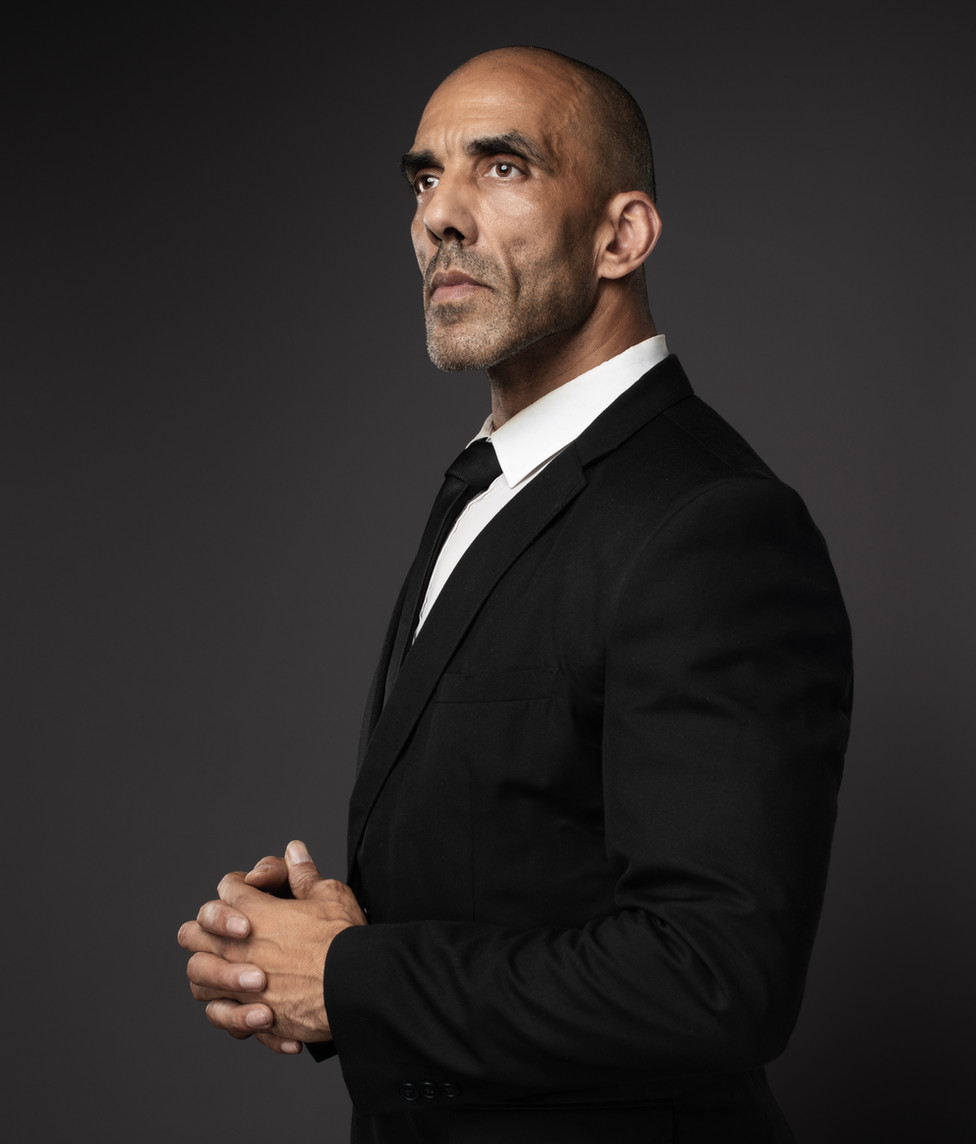 Daniel Craig Johnson · Founder, Mindworx Coaching
Your facilitator
Commercially grounded. Psychologically sharp. Human in the room.
Daniel works where leadership behaviour, team dynamics and organisational performance collide.
With more than 3,000 paid coaching-session hours across executive, business, life and team coaching, he brings both depth and practical discipline to the room. The workshop does not label people or manufacture harmony. It helps the team examine the system it is creating and decide what it is willing to change.
Pattern over blameTruth with dignityAction with ownership
Before you enquire
Questions leaders usually ask.
No. The workshop uses the team's real operating experience. It surfaces patterns, tests assumptions and converts the discussion into priorities, working agreements and owned action. Motivation may rise, but it is not the product being sold.
Day 1 examines seven positivity dimensions that shape the relational environment. Day 2 examines seven productivity dimensions that shape execution. Each day combines a team pulse check, facilitated exploration, practical exercises and commitment setting.
It is designed for intact teams and leadership groups that need stronger trust, clearer communication, better decision making, greater accountability or tighter alignment around execution.
Yes. The 14-dimension structure provides discipline, while the scoping conversation identifies your team's context, pressure points and desired outcomes. The facilitated discussion is anchored in the team's lived reality, not generic examples.
You can begin with the completely free Team Effectiveness Assessment to see how the team is doing across the 14 dimensions, or send a short enquiry below. Daniel will clarify the team context, the change you need and whether this workshop is the right intervention before any engagement is proposed.
A useful first conversation
What would need to change for this workshop to matter?
Tell Daniel what is happening in the team, what it is costing and what you need to be different. Your enquiry is sent from this page directly to his inbox.